



Conventional vs. Addressable Fire Alarm Systems: Which Is Best for Your Project?
A simplified comparison between conventional and addressable fire alarm systems in terms of accuracy, cost, and fault management to help choose the right solution for each type of facility.
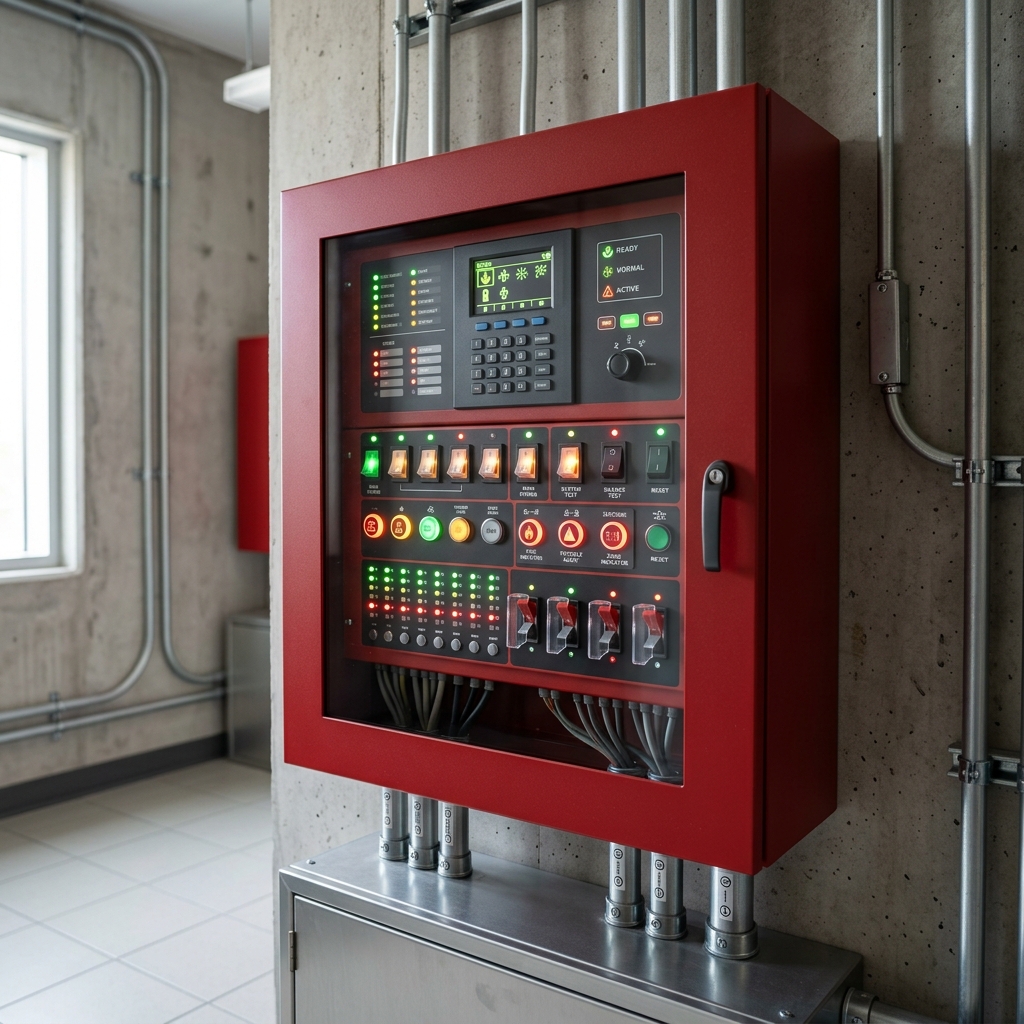
Conventional vs. Addressable Fire Alarm Systems: Which Is Best for Your Project?
Choosing the right fire alarm system directly affects fire detection speed, evacuation management, and fault handling. One of the most common questions in new projects is: is it better to use a conventional system or an addressable one?
What is a conventional system?
A conventional system divides the facility into zones. When an alarm occurs, the panel identifies only the zone, not the exact device itself. This type is often suitable for smaller projects or sites with a simple layout.
What is an addressable system?
In an addressable system, each detector or call point has a specific address, making it possible to identify the exact source of an alarm or fault. This makes it more efficient in large facilities and multi-zone factories.
A quick comparison between the two systems
- Accuracy: the addressable system is more precise in locating the event.
- Initial cost: the conventional system is less expensive for small projects.
- Fault management: the addressable system is faster in identifying and tracking the fault point.
- Future expansion: the addressable system is more flexible when adding new zones or devices.
How do you choose the right one?
If the facility is limited in size and simple in use, a conventional system may be sufficient. But if the project is large or requires closer monitoring and stronger integration with other systems, an addressable system is the safer and more effective long-term choice.
At Al Kawsar Trading, we provide conventional and addressable fire alarm solutions, study the needs of each project, and recommend the most suitable technical option before implementation.